
If you manage a fleet in New Zealand, you’ve probably looked at GPS tracking before.
Maybe you’ve already got it. Maybe you’ve been quoted for hardware installs. Maybe you’re trying to work out whether it’s worth adding another device to every vehicle – or whether there’s a smarter way to get the data you need.
That’s where the difference between OEM fleet tracking and aftermarket GPS tracking matters.
For many fleets, the question is no longer just:
“Do we want tracking?”
It’s:
“What’s the best way to get reliable fleet data without creating more admin, cost, and complexity?”
What is OEM fleet tracking?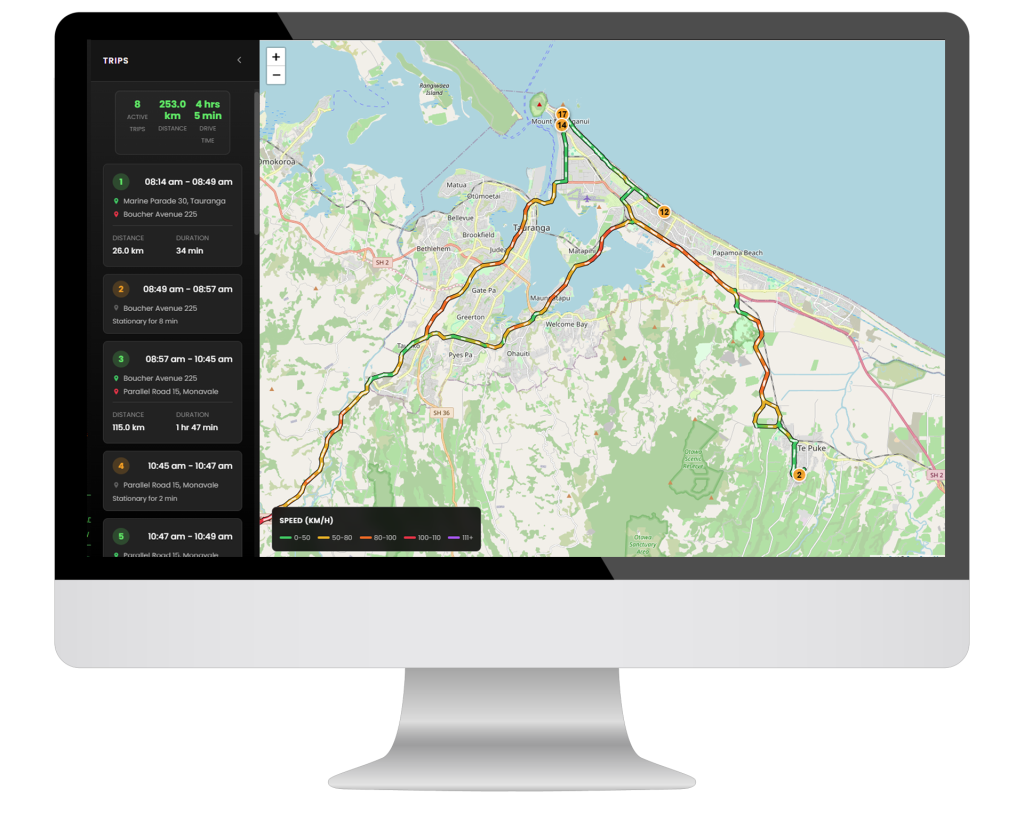
OEM fleet tracking means using tracking and vehicle data that comes directly from the vehicle manufacturer’s own connected systems.
OEM stands for Original Equipment Manufacturer.
So instead of installing a separate third-party GPS unit into the vehicle, OEM tracking pulls data from built-in manufacturer telematics – where available.
That can include brands like:
- Tesla
- BYD
- Mercedes-Benz
- and other manufacturers offering connected vehicle data
In simple terms:
OEM fleet tracking = using the vehicle’s native data
Aftermarket GPS tracking = installing extra tracking hardware
What is aftermarket GPS tracking?
Aftermarket GPS tracking is the traditional fleet tracking model.
A separate device is installed into the vehicle to provide:
- vehicle location
- trip history
- driver behaviour data
- sometimes ignition and movement events
- sometimes extra sensors or add-ons
This model can work well, and it’s been the default for years.
But it also comes with trade-offs:
- install cost
- hardware management
- removal/reinstall issues
- downtime or coordination during install
- more layers between the vehicle and the data
OEM tracking vs aftermarket GPS: the key difference
The biggest difference is this:
OEM tracking uses vehicle-native telematics
Aftermarket tracking relies on added hardware
That distinction affects:
- cost
- setup effort
- scalability
- maintenance
- data flow
- user experience
And depending on the fleet, it can be a meaningful operational difference.
Benefits of OEM fleet tracking
1. No extra hardware install
One of the biggest advantages of OEM tracking is avoiding a separate device install.
That can mean:
- less setup friction
- fewer appointments
- fewer install costs
- less disruption to vehicles already in operation
For businesses growing quickly, this matters.
2. Cleaner integration
OEM-connected data can create a more direct relationship between the vehicle, the tracking data, and the fleet software using it.
3. Better fit for modern fleets
As more manufacturers build connected capabilities into their vehicles, OEM tracking becomes more relevant – especially for fleets operating newer vehicles.
4. Lower admin overhead
Every extra device in a fleet creates overhead somewhere:
- install
- maintenance
- troubleshooting
- replacements
- support
- data consistency issues
OEM tracking can reduce some of that complexity.
Benefits of aftermarket GPS tracking
To be fair, aftermarket GPS tracking still has real strengths.
1. Broader compatibility
Not every vehicle supports OEM telematics in the same way.
2. Mature provider ecosystem
Traditional GPS providers often have established install networks, long-standing feature sets, add-on hardware options, and broad reporting capability.
3. Useful for legacy fleets
If your vehicles don’t have the right native connected capabilities, aftermarket remains the fallback.
What’s better for NZ fleets?
For many New Zealand fleets, the best answer depends on:
- the age of the fleet
- the brands in the fleet
- whether vehicles already support connected data
- whether the business wants to avoid hardware complexity
- how important compliance, admin reduction, and integrated workflows are
OEM tracking is often better when:
- you have newer connected vehicles
- you want less install complexity
- you want cleaner data flows
- you want fleet visibility without relying on extra devices where possible
- you care about integrating tracking with wider fleet software and compliance workflows
Aftermarket GPS may still make more sense when:
- your fleet is older or mixed
- OEM connectivity is limited
- you need a hardware-based approach across all vehicles
- you rely on specific aftermarket feature sets
The bigger question isn’t just tracking
A lot of businesses compare tracking options as if the only issue is pins on a map, trip history, and location visibility.
But fleet operators usually need more than that. They also need:
- compliance oversight
- WOF, Rego, COF and RUC management
- reminders
- service history
- inspections
- admin reduction
- a clear view of what needs action next
That’s why the better question is often:
How does tracking fit into the bigger fleet workflow?
Where BONNET fits in
BONNET’s approach is not about being “just another GPS provider”.
The opportunity with OEM Connect is to make fleet tracking smarter, cleaner, and more integrated – especially for businesses already dealing with the admin burden of running vehicles.
That means connecting tracking, vehicle visibility, compliance, reminders, and operational workflows into one clearer system.
Why this matters more now
As fleet technology evolves, businesses are going to expect more than isolated tools.
They’ll want:
- better visibility
- less admin
- cleaner integrations
- fewer duplicate systems
- more useful vehicle data
- fewer manual workarounds
Final thoughts: OEM vs aftermarket GPS tracking
For some fleets, aftermarket GPS tracking will still be the right choice.
But for newer, more connected fleets – or businesses looking for a smarter operational model – OEM fleet tracking is increasingly hard to ignore.
If you can get the data you need without extra install friction, with cleaner connectivity, and as part of a broader fleet management and compliance platform, that’s a very compelling shift.
And that’s where the conversation is heading.
If you want to see how BONNET is approaching OEM-connected fleet data, tracking, and compliance in one place, explore OEM Connect or get in touch with the team.
Or sign up for a free trial today >>